
The oud is one of the oldest and most important plucked instruments of the Middle East and North Africa. A short-necked, pear-shaped lute, it is distinguished by its lack of frets. Rather than stopping the strings at fixed points, the musician shapes the pitch directly on the fingerboard. Different forms of the instrument have survived in the musical traditions of the Arab world, Persia, Turkey and North Africa, with variations in size, stringing and tuning. The wood’s natural resonance, the direct touch of the strings and the freedom of the fretless fingerboard open a musical space where notes do not simply follow one another: they remember.
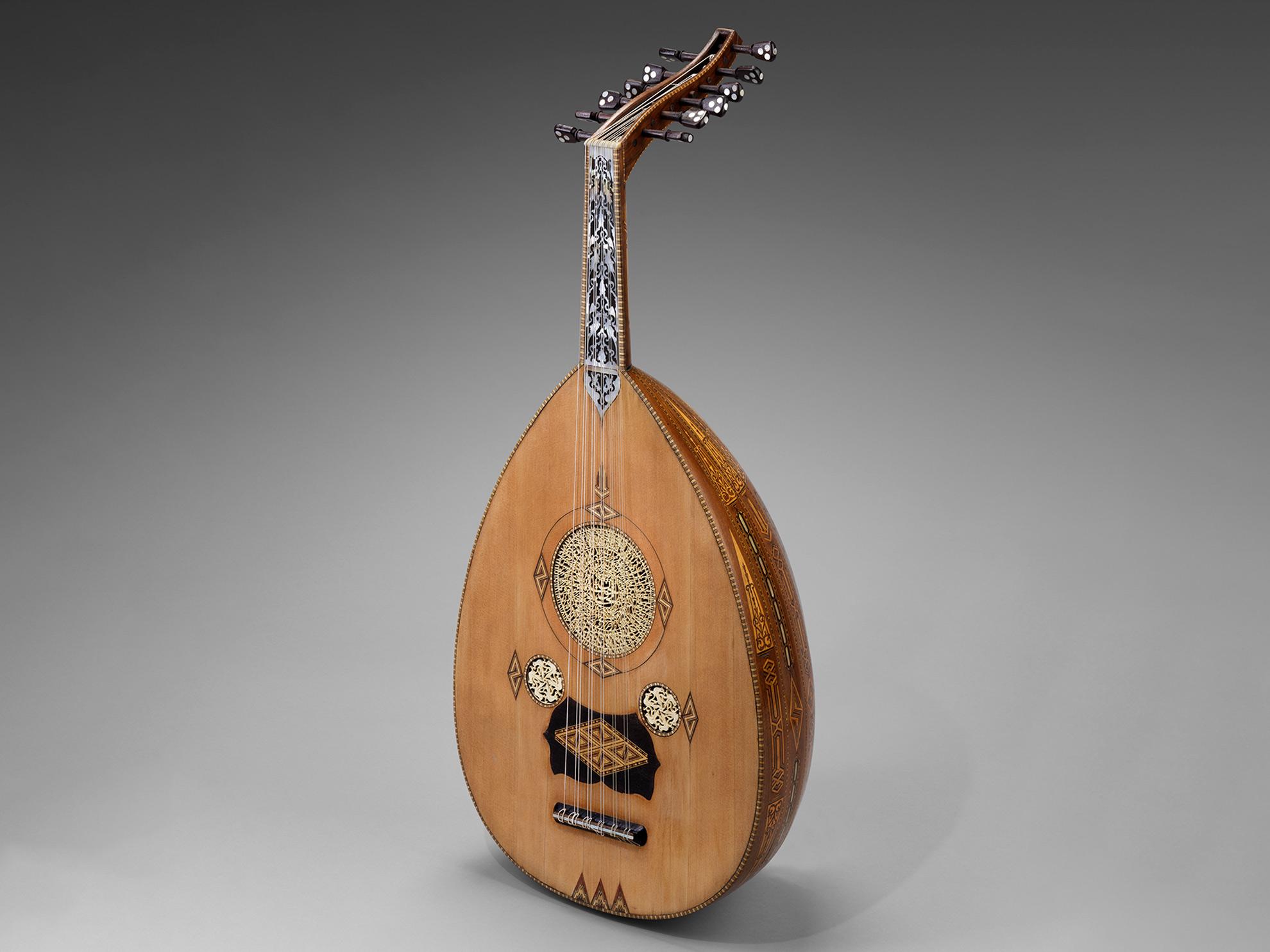
In Kobza Vajk’s music, the oud is neither exotic scenery nor an imitation of a distant culture, but part of a personal musical language. It is an instrument in which past and present, tradition and creative freedom meet.