
Memento veteris Solis! |
Remember the Old Sun!
Medieval sacred and secular melodies
on Middle Eastern instruments
The programme evokes the heritage of sacred and secular music of the 13th–14th-century Mediterranean. The oud, Persian santur, bass gheychak and Middle Eastern percussion present the historical musical connections of medieval Europe and the Arab–Persian world with a contemporary perspective.
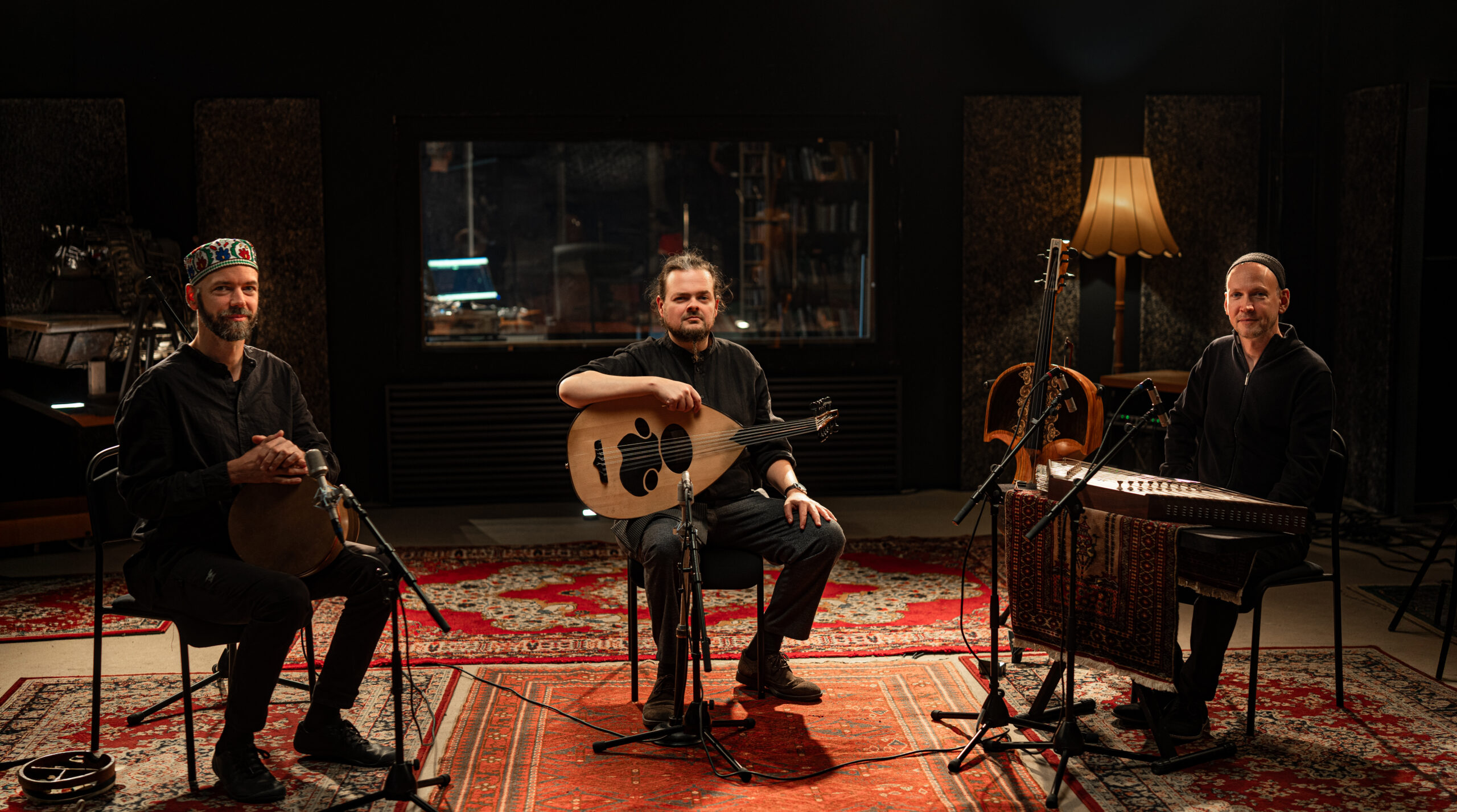
More details: Memento veteris Solis draws on the personal repertoire Kobza Vajk has been shaping for decades: melodies from Europe’s medieval musical heritage and its living traditions to which he returns time and again as a musician.
The programme centres on the musical world of the 13th and 14th centuries, chiefly the sacred repertoire of the Middle Ages. A prominent place is given to the Cantigas de Santa Maria, written down at the Castilian court of Alfonso X (the Wise). The repertoire unfolds through melodies from the French troubadour and trouvère traditions; secular works by Guillaume de Machaut, one of the leading masters of French ars nova; Breton ballads; and pieces from the vocal and instrumental traditions of medieval Italy, including 14th-century istanpittas. This historical material is joined by living Mediterranean and European melodic traditions recorded in writing at a later date.
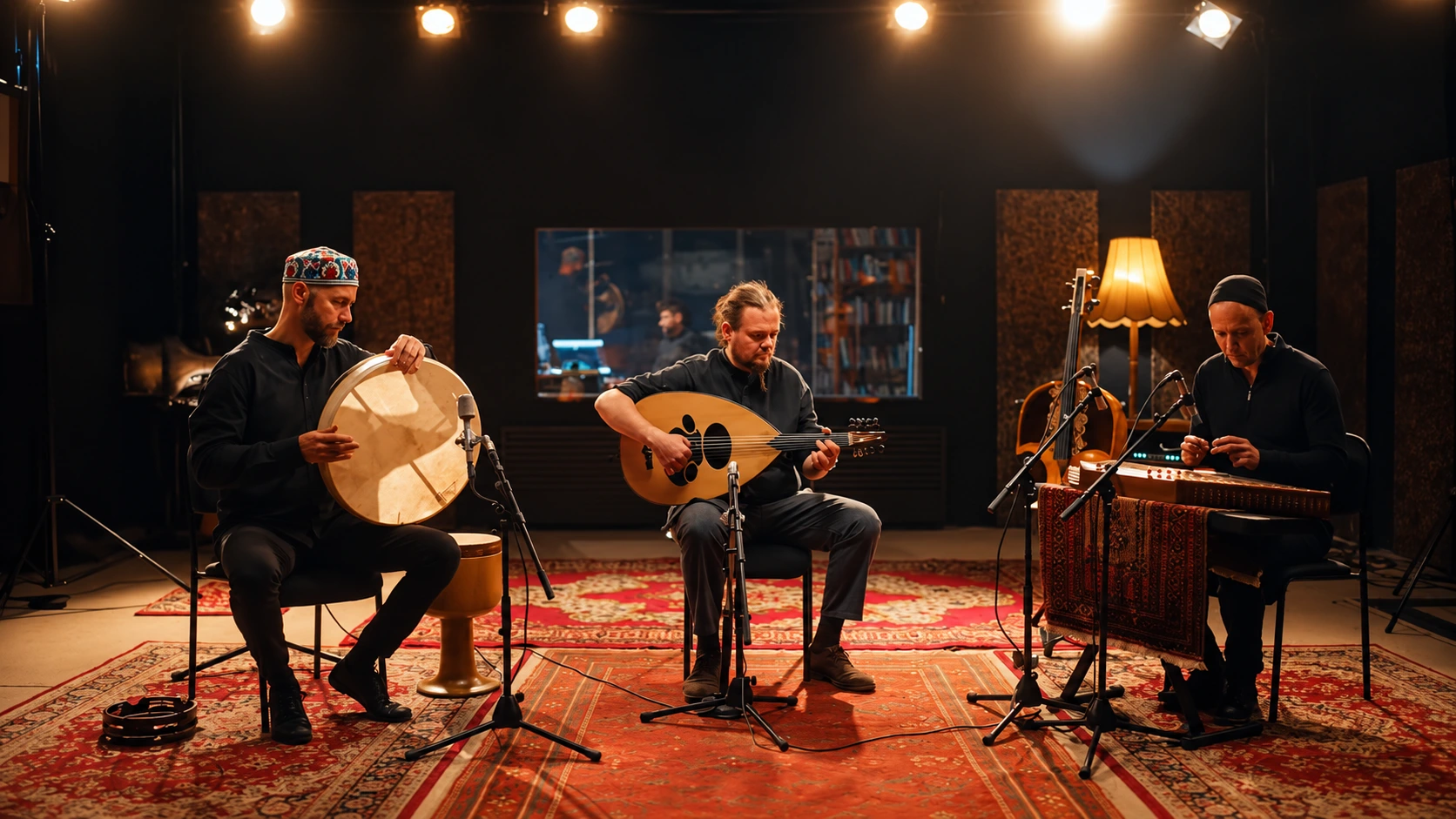
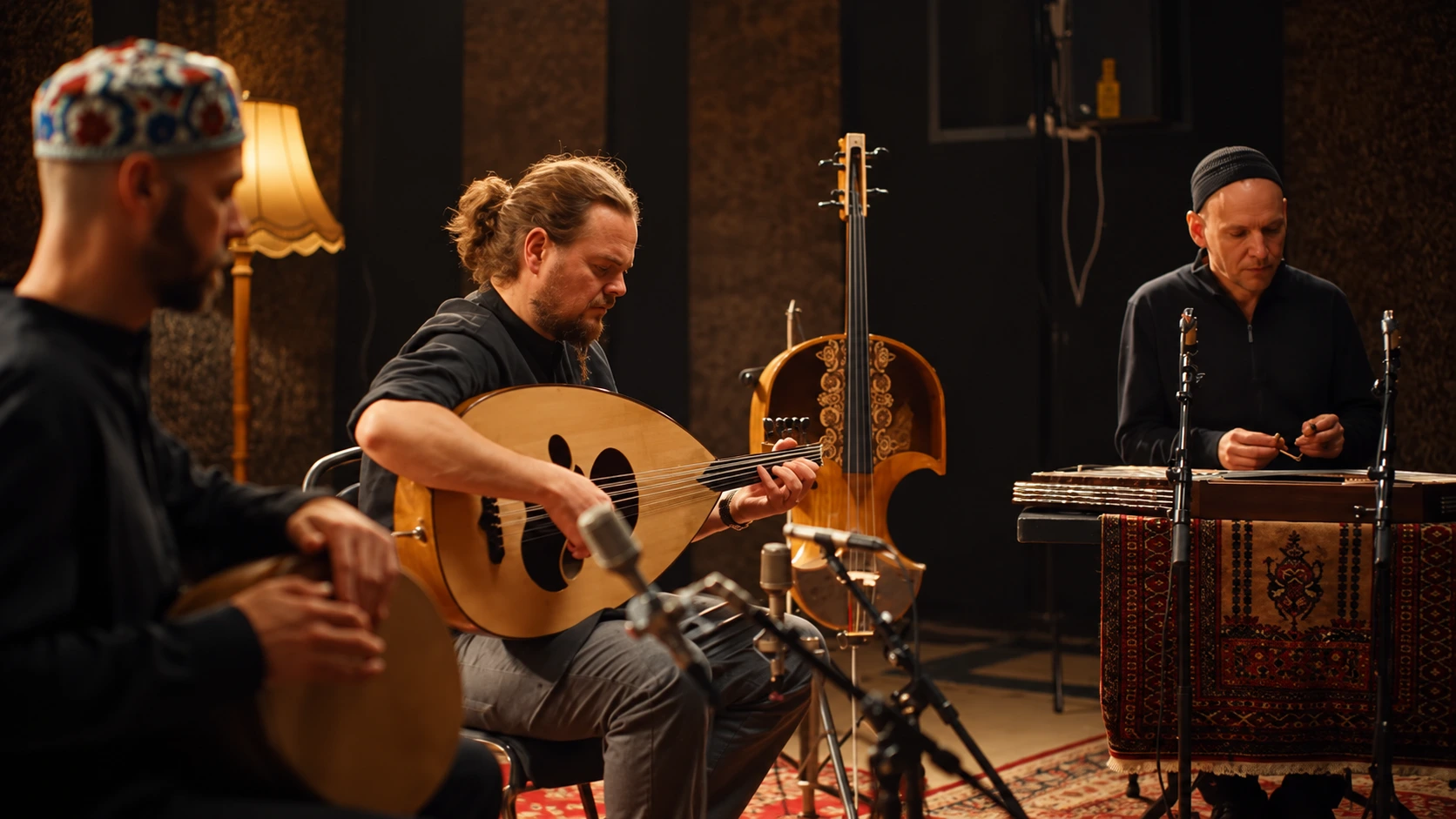
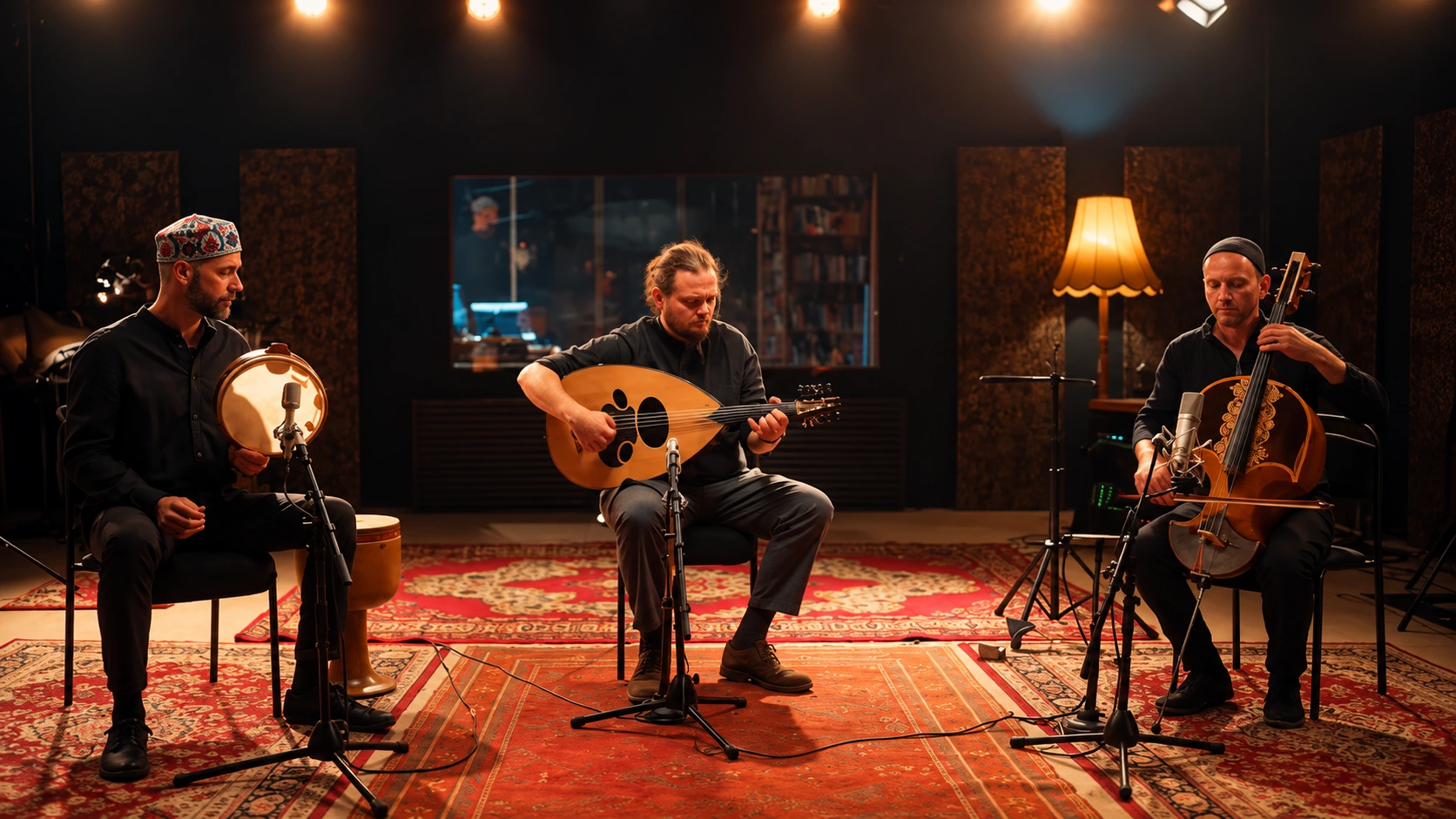
The trio’s instrumentation deliberately reflects the broader historical context of this repertoire. Many threads linked the instrumental culture of medieval Europe with the music of the Arab world and the Middle East; their traces can be found in the history of the period’s plucked, bowed and percussion instruments. The oud, Persian santur, bass gheychak, tombak and frame drums – def and riq – accompany these old melodies as a present-day continuation of a musical dialogue between East and West that endured for centuries, rather than as touches of exotic colour.
The Kobza Vajk Trio enters into dialogue with the past. The historical musical connections between medieval Europe and the Middle East are carried forward through contemporary chamber music sensibilities, free improvisation, distinctive timbre and the deliberate use of silence. The old melody remains, but a new musical space takes shape around it.
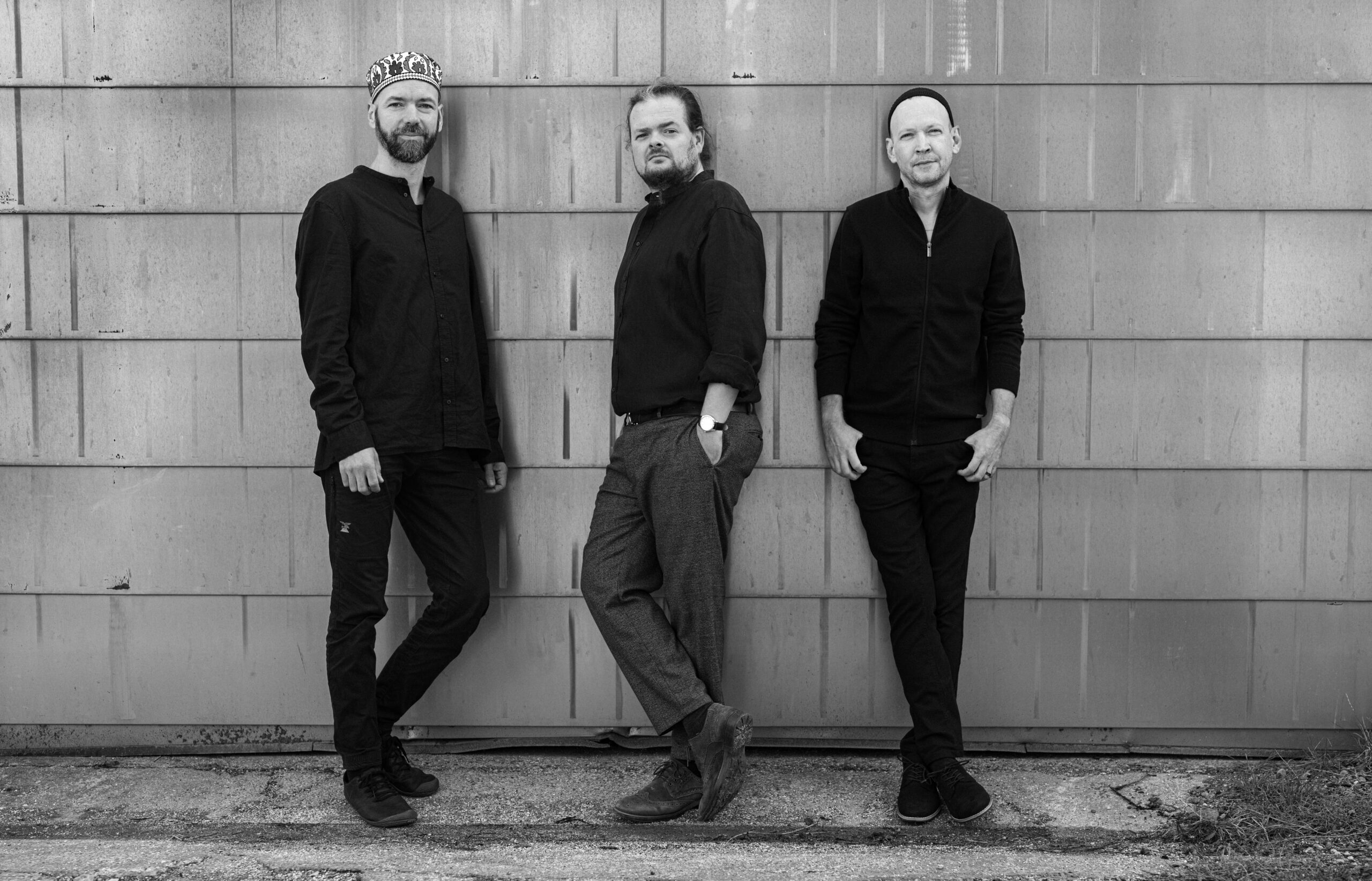
The Trio:
- Kobza Vajk – oud
- Norbert Murányi – Persian santur, bass gheychak
- Mátyás Sirokai – def, riq, tombak, bells
We recommend the trio’s programme for: sacred spaces, historical themed events, early and world music programmes, wine festivals, or festive-cultural occasions.
Note: The concert duration is between 50–70 minutes (can be adjusted upon request). Optimal sound check: 30 minutes.
For further details (performance fee + travel expenses, etc.), please kindly contact us! Thank you!
